
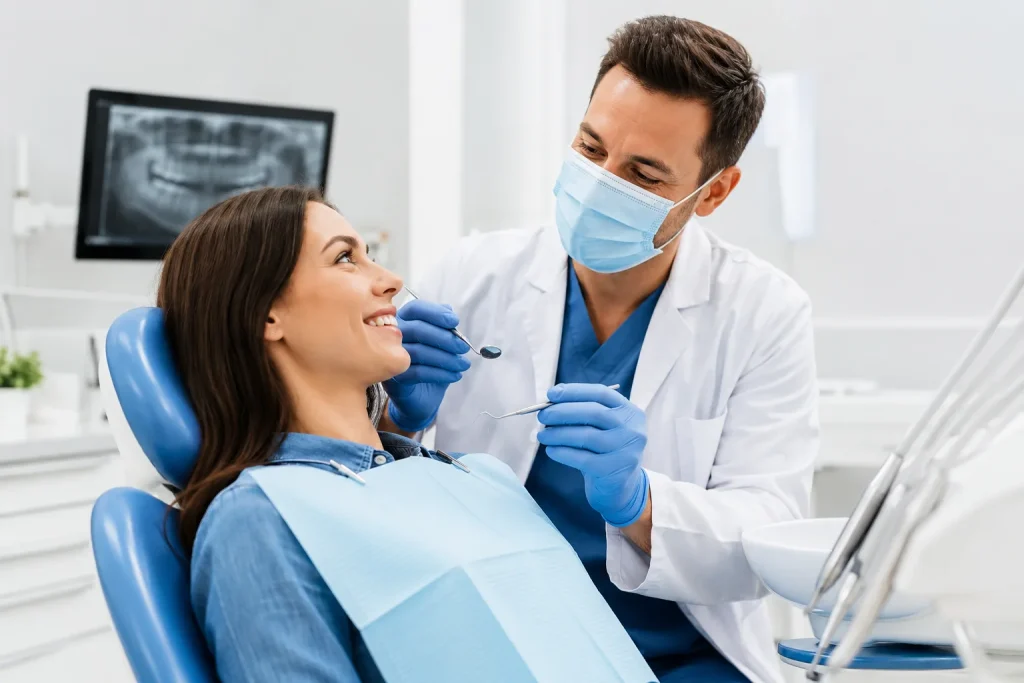
A chipped, uneven, or deeply discolored tooth can make someone think twice before smiling. Dental veneers offer one possible way to improve these concerns while creating a natural-looking result that complements the rest of the face.
For patients researching veneers in Lakewood, CO, understanding the treatment is an important first step. Veneers can be a versatile cosmetic option, but they are not the right solution for every tooth or every patient. A thoughtful plan begins with an examination, an honest conversation about expectations, and a review of alternatives.
Clinical note: This article provides general educational information and is not a diagnosis or personalized treatment recommendation. A dentist must examine the teeth, gums, and bite to determine whether veneers are appropriate.
What Are Dental Veneers?
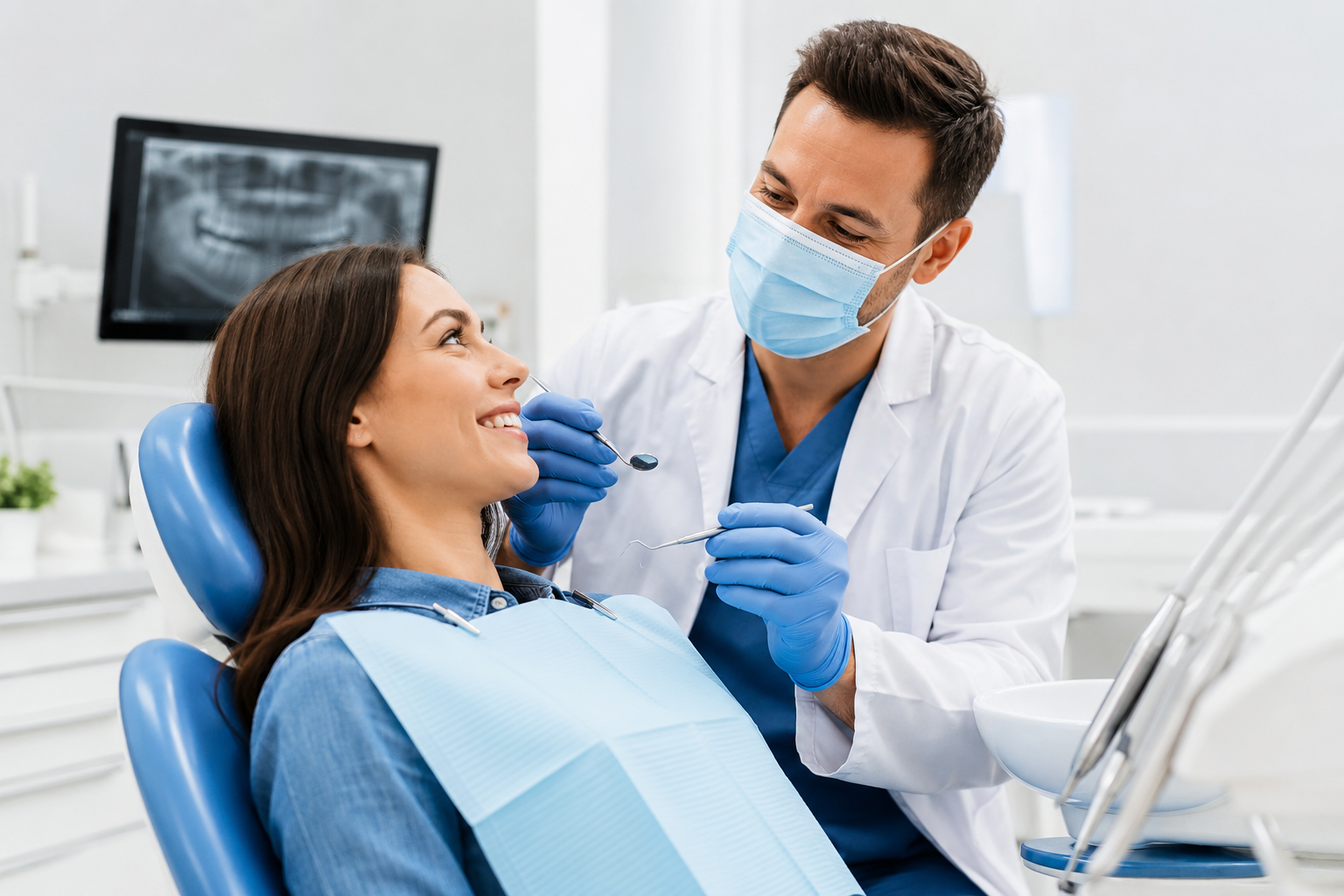
Veneers are thin restorations designed to cover the visible front surface of a tooth. They are customized to improve characteristics such as color, shape, size, or proportion. Rather than aiming for an artificial “perfect” smile, well-planned veneers should fit naturally with a patient’s facial features and surrounding teeth.
Veneers may be considered for concerns such as:
- Chipped or mildly worn tooth edges
- Stains that do not respond as desired to whitening
- Small or irregularly shaped teeth
- Minor gaps between certain teeth
- Uneven tooth lengths
- Minor cosmetic asymmetry
A veneer changes the tooth’s visible surface, but it does not correct every underlying dental problem. Active decay, gum disease, significant bite issues, or substantial tooth damage may need to be addressed first. In some cases, whitening, orthodontic treatment, bonding, or a crown may be more suitable.
Porcelain and Composite Veneers
The word “veneer” can refer to more than one type of cosmetic restoration. The recommended material depends on the condition of the teeth, the desired appearance, the treatment plan, and the patient’s priorities.
Porcelain veneers
Porcelain veneers are custom-made restorations that a dentist bonds to prepared teeth. Porcelain can be selected to reproduce the color, translucency, and surface details found in natural enamel. The process may involve digital scans or impressions, careful shade selection, tooth preparation, and a separate placement visit, depending on the technology and treatment plan.
Composite veneers or bonding
Composite resin can also be shaped directly on a tooth to conceal certain cosmetic imperfections. This approach may require less alteration in some situations and can sometimes be completed efficiently. However, porcelain and composite differ in appearance, maintenance needs, repair options, and cost.
Neither material is automatically best for everyone. A dentist can explain how each option may behave in a particular smile and why one may be recommended over another.
Who May Be a Good Candidate for Veneers?
A good veneer candidate generally needs healthy teeth and gums, enough sound tooth structure to support the restoration, and realistic expectations. The bite also matters. Veneers are exposed to the same chewing and biting forces as natural teeth, so habits and tooth alignment must be considered during planning.
A dentist may pay particular attention to:
- Untreated cavities or weakened areas
- Inflamed, receding, or unhealthy gums
- Teeth grinding or clenching
- A history of broken restorations
- Enamel thickness and existing dental work
- The way the upper and lower teeth meet
- The patient’s preferred tooth color and shape
Patients who grind their teeth may need a different treatment approach or a protective appliance. If a tooth has lost considerable structure, a crown may provide more appropriate coverage than a veneer. If alignment is the primary concern, clear aligners or another orthodontic option may preserve more natural tooth structure.
What to Expect During the Veneer Process
1. Consultation and examination
The first visit focuses on listening as much as examining. The dentist will ask what the patient likes and dislikes about the smile, review oral health, evaluate the bite, and discuss the desired result. Dental images, photographs, scans, or X-rays may be recommended when clinically appropriate.
This is also the right time to discuss whether veneers are the most conservative choice. Sometimes a combination of preventive care, whitening, orthodontics, and limited bonding can meet the patient’s goals without placing veneers on several teeth.
2. Smile planning
Cosmetic dentistry should be personalized. Tooth shape, gumline, lip movement, facial proportions, and neighboring teeth all influence the plan. Patients should feel comfortable asking how bright, symmetrical, or dramatic the proposed change will be.
Depending on the case, the dentist may use digital planning, a model, or a preview to communicate the intended shape. A preview is a planning tool rather than a promise of an identical final result.
3. Tooth preparation
Some veneers require the removal of a small amount of enamel so the restoration can fit without looking bulky. The amount varies according to the tooth, material, position, and desired change. Because enamel alteration can make treatment irreversible, patients should understand this part of the plan before proceeding.
Local anesthetic may be available when preparation could cause discomfort. The dental team can also discuss comfort preferences, sensitivity concerns, and what the patient can expect throughout the appointment.
4. Fabrication and placement
Traditional laboratory-made veneers may require temporary restorations while the final veneers are created. Some practices also use in-office technology for selected restorations. Raines Over The Rockies provides information about same-day veneers and crowns, although candidacy and appointment needs depend on the individual case.
Before bonding a veneer, the dentist checks its fit, appearance, and relationship with the bite. After placement, small adjustments may be made to help the restoration feel comfortable.
Comfort, Sensitivity, and Recovery
Experiences vary according to the number of teeth treated and the amount of preparation involved. Some patients notice temporary sensitivity or mild gum tenderness after treatment. Others return to their usual routine quickly.
There is an important difference between early comfort and the completion of treatment. Initial tenderness may settle before the patient has fully adjusted to the feel of the restorations. If temporary veneers are used, treatment is not complete until the final restorations have been evaluated and placed.
Persistent pain, a bite that feels noticeably uneven, a loose restoration, or worsening gum irritation should be reported to the dentist. Patients should follow the specific aftercare instructions provided by their clinical team rather than relying on a universal recovery schedule.
How to Care for Veneers
Veneers do not eliminate the need for preventive dental care. The natural tooth remains underneath and around the restoration, and the surrounding gum tissue still needs daily attention.
Helpful habits include:
- Brushing gently and thoroughly with a dentist-recommended toothpaste
- Cleaning between the teeth every day
- Attending routine dental examinations and professional cleanings
- Avoiding the use of teeth as tools to open packages
- Not biting directly into extremely hard objects
- Wearing recommended protection during sports or if grinding is a concern
No dental restoration should be described as permanent. Veneers may eventually need maintenance, repair, or replacement. Their condition over time can be influenced by oral hygiene, bite forces, habits, tooth health, material selection, and accidental damage.
How Much Do Veneers Cost in Lakewood, CO?
Veneer pricing is usually personalized because several details affect the treatment. These may include the number of teeth involved, the selected material, the complexity of smile planning, whether existing dental concerns need treatment, and whether additional procedures are part of the plan.
Dental insurance often treats elective cosmetic care differently from medically necessary treatment, but coverage varies by policy. Patients should request a written treatment estimate and contact their insurer when they have questions about benefits. A dental office can also explain available payment arrangements or financing options, if offered.
Cost should be considered alongside tooth preservation, the dentist’s proposed design, material choice, expected maintenance, and available alternatives. A lower initial fee may not represent the most appropriate long-term plan for a particular tooth.
Questions to Ask at a Veneer Consultation
Patients can feel more confident in their decision by bringing a short list of questions, such as:
- Are my teeth and gums healthy enough for veneers?
- Could whitening, bonding, or orthodontic treatment meet my goals?
- How much enamel would need to be altered?
- Which veneer material is being recommended, and why?
- How will the shape and shade be selected?
- Will temporary restorations be needed?
- What maintenance or future replacement should I anticipate?
- What is included in the written treatment estimate?
A trustworthy consultation should include both benefits and limitations. Patients should never feel pressured to make an immediate cosmetic treatment decision.
Frequently Asked Questions About Veneers
Do veneers look natural?
They can be designed to coordinate with surrounding teeth and facial features. Material, shade, shape, surface texture, and treatment planning all affect the appearance. Results vary, so patients should discuss their preferences clearly.
Do veneers hurt?
Comfort depends on the type of veneer and the amount of tooth preparation. A dentist can use appropriate comfort measures when needed. Temporary sensitivity or gum tenderness may occur, but unexpected or persistent pain warrants a dental evaluation.
Can veneers fix crooked teeth?
Veneers may visually improve very minor irregularities, but they do not move teeth. When alignment or bite health is the main concern, orthodontic treatment may be more appropriate.
Can veneers be whitened later?
Whitening products are intended to change the color of natural tooth structure and may not change veneer material in the same way. For that reason, whitening is sometimes discussed before the final veneer shade is selected.
Is a veneer the same as a crown?
No. A veneer primarily covers the visible front portion of a tooth, while a crown surrounds more of the tooth. The better option depends on how much healthy structure remains and what the restoration needs to accomplish.
How many veneers does someone need?
There is no standard number. Some patients want to improve one chipped tooth, while others are considering several visible teeth. The goal is to create balance while preserving healthy tooth structure whenever possible.
Explore Veneers With a Lakewood Dentist
Veneers can make meaningful cosmetic changes, but successful planning starts with oral health, realistic expectations, and a clear understanding of alternatives. The best plan is not necessarily the one involving the most treatment. It is the one tailored to the patient’s teeth, bite, comfort, and goals.
Patients considering veneers in Lakewood, CO can contact ROR Dental, also known as Raines Over The Rockies, to ask questions and explore available cosmetic options. The practice serves patients in Lakewood, CO. To take the next step, request a consultation and bring along any questions, concerns, or smile examples that may help guide the conversation.