
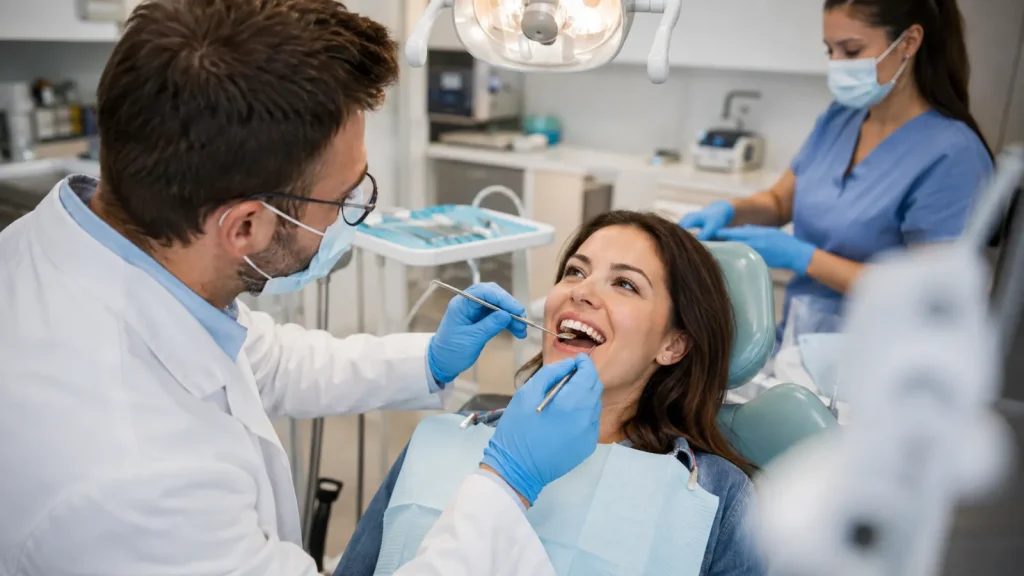
A brighter smile can make someone feel more comfortable in photographs, conversations, and everyday life. However, with whitening strips, toothpastes, kits, and professional treatments all available, choosing the right option may feel confusing.
For patients considering teeth whitening in Lakewood, CO, the best starting point is understanding why discoloration happens and which treatment is appropriate for a particular smile. Professional whitening offers a dentist-supervised approach that can be adjusted around existing dental work, sensitivity, and cosmetic goals.
Please note: This article provides general educational information and does not replace an examination or personalized advice from a dentist.
What Professional Teeth Whitening Can—and Cannot—Do
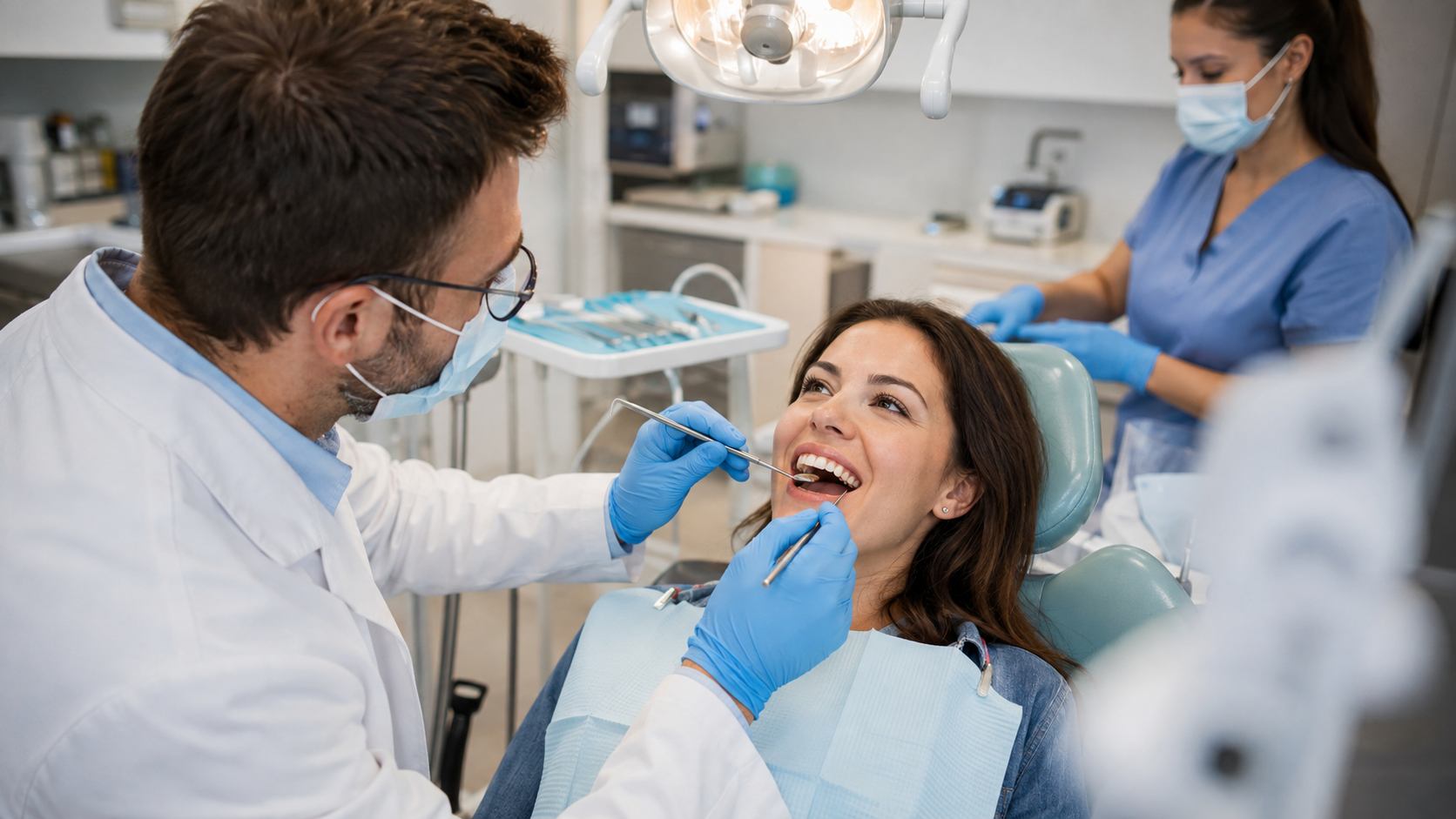
Professional teeth whitening uses a concentrated whitening material to lighten pigments within natural tooth enamel. Unlike a routine dental cleaning, which removes plaque, tartar, and some surface stains, whitening is intended to brighten the underlying shade of the teeth.
Common sources of discoloration include coffee, tea, red wine, dark-colored foods, tobacco, aging, and natural differences in enamel color. The type and depth of the discoloration influence how the smile may respond.
Whitening is not designed to repair cavities, replace missing enamel, straighten teeth, or cover cracks. It also does not change the color of porcelain veneers, crowns, bridges, fillings, or dental implants. If restorations appear darker after natural teeth are whitened, a dentist can discuss whether additional cosmetic planning is appropriate.
Results vary from person to person. A consultation helps establish a realistic goal rather than promising a specific shade.
Why a Dental Examination Should Come First
A whitening consultation is about more than selecting a color. A dentist may examine the teeth and gums, review existing restorations, and ask about previous sensitivity. This allows the dental team to identify concerns that may need attention before cosmetic treatment begins.
For example, discomfort during whitening may be more likely when a tooth already has an untreated problem or an exposed area near the gumline. Gum inflammation can also make treatment less comfortable. Addressing oral health first helps the whitening plan focus on both appearance and patient comfort.
The examination can also reveal whether a dark tooth differs significantly from the surrounding teeth. A single discolored tooth may need a different evaluation than a smile affected by ordinary food and beverage stains.
What Happens During In-Office Whitening?
Although products and protocols differ among dental offices, professional whitening generally follows a carefully controlled process.
1. Smile evaluation and shade discussion
The dental team reviews the patient’s goals and records the starting tooth shade. Patients should mention sensitive teeth, gum irritation, recent dental treatment, or restorations that show when they smile.
2. Protection for the lips and gums
Before applying whitening material, the team isolates the treatment area and protects nearby soft tissues. This is one of the important differences between supervised care and using a product without professional guidance.
3. Application of the whitening material
The whitening product is placed on the selected teeth according to the system being used. The dental team monitors the patient and may adjust the application based on comfort and response.
4. Final evaluation and home-care instructions
After treatment, the smile is evaluated again. The dentist or hygienist may recommend temporary changes to eating and drinking habits, appropriate oral hygiene, or a touch-up plan. Patients should follow the instructions provided for their individual treatment rather than relying on a generic online routine.
Professional Whitening vs. Store-Bought Products
Over-the-counter whitening products can be convenient, but they are not interchangeable with dentist-supervised treatment. Toothpastes generally focus on removing some surface stain, while strips and gels contain whitening ingredients in varying designs and concentrations.
Professional care offers several practical advantages:
- Personalized planning: A dentist can assess the cause and pattern of discoloration before treatment.
- Controlled application: The product can be placed more precisely while the gums and other soft tissues are protected.
- Comfort monitoring: The team can respond if sensitivity develops during the appointment.
- Restoration awareness: Crowns, veneers, and fillings can be considered when planning the desired shade.
- Clear expectations: Patients can learn what whitening is likely to improve and when another cosmetic option may be more suitable.
A store-bought product is not automatically appropriate for every smile. Anyone with dental pain, damaged teeth, gum concerns, or extensive restorations should speak with a dentist before beginning a whitening routine.
Who May Be a Candidate for Teeth Whitening?
Many adults with healthy teeth and gums may be considered for professional whitening, especially when discoloration comes from foods, beverages, tobacco, aging, or natural tooth shade. Candidacy still depends on an individual evaluation.
A dentist may recommend treating active oral health concerns before whitening. The treatment plan may also need to be modified for patients with significant sensitivity, exposed root surfaces, enamel defects, or restorations in visible areas.
Some types of internal discoloration may not respond as evenly as common surface-related staining. In those situations, a dentist can explain alternatives such as bonding or veneers. These treatments work differently from whitening and require their own discussion of benefits, limitations, maintenance, and cost.
Will Teeth Whitening Cause Sensitivity?
Temporary tooth sensitivity can occur with whitening, although the experience differs among patients. Some people notice brief sensitivity to cold air, drinks, or food. Gum irritation may also occur if whitening material contacts soft tissue.
Patients should tell the dental team about any history of sensitivity before treatment. A dentist can decide whether the whitening approach should be adjusted and may recommend products or habits intended to support comfort. Whitening should be paused and the dental office contacted if discomfort is severe, persistent, or accompanied by swelling or unexplained pain.
How Long Do Whitening Results Last?
Whitening is not permanent because teeth remain exposed to pigments in food, drinks, and tobacco. How long a brighter shade remains noticeable depends on personal habits, oral hygiene, the original type of discoloration, and whether a dentist recommends occasional touch-ups.
Patients can help maintain their smiles by:
- Brushing and cleaning between the teeth consistently
- Keeping regular preventive dental visits
- Rinsing with water after strongly pigmented drinks
- Limiting tobacco use
- Using touch-up products only as directed
Good maintenance does not mean avoiding every cup of coffee or favorite meal. It means using practical habits and following a plan that protects oral health while preserving the result.
What Affects the Cost of Teeth Whitening?
The cost of professional whitening may vary according to the whitening system, the treatment format, the patient’s needs, and whether any separate dental care is recommended first. Because cosmetic whitening is commonly treated differently from medically necessary dental services, patients should ask the practice about fees, payment options, and insurance limitations.
A trustworthy estimate should explain what is included, such as the consultation, office treatment, take-home materials, or future touch-ups. The least expensive advertised option may not provide the same supervision or level of customization.
Choosing Teeth Whitening in Lakewood, CO
When comparing providers, patients can look beyond before-and-after marketing. Helpful questions include:
- Will the teeth and gums be evaluated before whitening?
- How will existing crowns, veneers, or fillings affect the final appearance?
- What steps are used to protect the gums and manage sensitivity?
- What results are realistic for this type of discoloration?
- Are maintenance products or touch-ups included?
ROR Dental offers in-office teeth whitening for patients in Lakewood, CO. A one-on-one conversation allows the dental team to review each patient’s smile, comfort needs, and cosmetic priorities before recommending care.
Frequently Asked Questions
Does whitening damage tooth enamel?
Whitening should be selected and used appropriately. A dentist can recommend a suitable system, monitor the application, and help patients avoid overuse. Using multiple products at the same time or whitening more often than directed may increase irritation and sensitivity.
Can crowns or veneers be whitened?
Whitening products do not lighten the underlying shade of crowns, veneers, fillings, or other tooth-colored restorations. These materials should be considered before choosing a target shade so the final smile does not look mismatched.
Should teeth be cleaned before whitening?
A dentist can determine whether a professional cleaning or other care should happen first. Removing plaque and surface buildup can make it easier to evaluate the natural tooth shade and plan treatment appropriately.
Can someone whiten teeth if they have cavities?
Possible decay or other active dental problems should be evaluated before cosmetic whitening. Whitening does not treat cavities, and placing whitening material around an unhealthy or damaged tooth may cause discomfort.
Is professional whitening appropriate for sensitive teeth?
It may be an option for some patients, but the cause and severity of sensitivity matter. The dentist may modify the plan, recommend another approach, or advise against whitening until an underlying concern has been addressed.
How white will the teeth become?
No ethical provider can guarantee an exact shade. The outcome depends on the original tooth color, the source of discoloration, enamel characteristics, and treatment response. The goal is usually a natural-looking improvement that complements the patient’s smile.
Take the Next Step Toward a Brighter Smile
Professional whitening can be a straightforward way to refresh a smile, but the best results begin with a personalized evaluation. Patients in Lakewood, CO can contact ROR Dental to ask questions, discuss sensitivity or existing dental work, and learn whether in-office whitening fits their goals. The dental team can help create a comfortable, realistic plan without pressure or one-size-fits-all promises.