
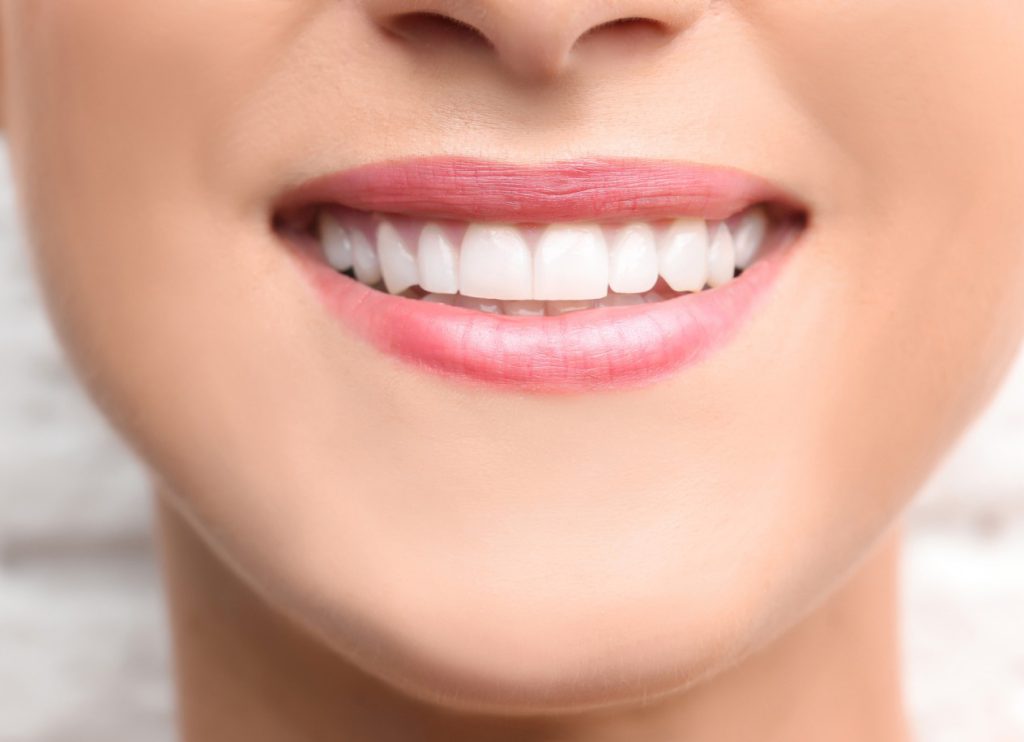
Dental bonding is a versatile and popular cosmetic procedure that can
help resolve various dental imperfections, from repairing chips and
cracks to improving the appearance of discolored teeth. It’s a great
option for those looking to enhance their smile without the commitment
of more invasive treatments. The procedure involves applying a
tooth-colored resin material to the teeth, which is then shaped and
polished to blend seamlessly with the rest of your smile. However, as
with any dental treatment, it’s important to maintain your dental
bonding to ensure it lasts as long as possible.
Keeping your dental bonding in good condition not only preserves your
smile but also prevents potential issues down the line. By staying
informed and proactive, you can protect your investment and enjoy a
beautiful smile for years to come.
Common Causes of Damage to Dental Bonding
While dental bonding is generally durable and long-lasting, certain
habits and conditions can compromise its integrity. Understanding these
common culprits can help you take preventive measures to protect your
dental work. Here are some primary causes of damage:
1. Biting or Chewing on Hard Objects: Using your teeth as tools, such
as biting on pens or opening packages, puts unnecessary stress on your
dental bonding.
2. Poor Oral Hygiene: Failing to maintain a regular oral hygiene
routine, including brushing and flossing, can lead to decay around the
bonded areas.
3. Accidental Impacts: Accidents happen, and an unexpected impact on
your teeth can chip or crack the bonded resin.
4. Consumption of Staining Substances: Frequent consumption of coffee,
tea, wine, or tobacco can lead to discoloration of the bonding material.
Understanding these factors is a crucial step in preserving your dental
bonding. By avoiding risky habits and maintaining excellent oral
hygiene, you can extend the life of your dental work and keep your smile
looking its best.
Identifying Signs of Damage
Recognizing the signs of damage early can save you from more extensive
repairs in the future. Here are some common indicators that your dental
bonding might need attention:
– Discoloration: If the resin no longer matches the surrounding teeth
in color, it could signal staining or wear.
– Chipping or Cracking: Visible chips or cracks in the material are
clear signs of physical damage and need prompt examination.
– Sensitivity: Increased sensitivity to hot or cold foods and drinks
may indicate a bond that is loosening or has exposed sensitive areas.
– Rough or Uneven Surface: If the bonded area feels rough to the touch,
it might have worn down or accumulated plaque.
Keep an eye on these signs to catch potential issues early. Regular
dental check-ups will also help monitor the condition of your bonding,
allowing for timely interventions when necessary.
Immediate Steps to Take When Damage Occurs
If you notice any issues with your dental bonding, taking immediate
action can make a significant difference. Here’s a simple guide to help
you navigate the next steps:
1. Limit the Use of the Affected Area: Avoid chewing with the damaged
tooth to prevent further harm.
2. Steer Clear of Certain Foods and Drinks: Stay away from hard,
crunchy foods and anything that could stain, like coffee or wine, until
you can get a professional assessment.
3. Keep Your Dental Hygiene Up: Continue a regular brushing and
flossing routine, but be gentle around the affected area.
4. Contact Your Dentist Promptly: Schedule a visit with your dentist to
evaluate the damage and discuss potential repair options.
Taking these initial steps helps manage the situation while you wait for
professional intervention.
How a Dental Bonding Dentist Can Help
Getting in touch with a dental bonding dentist is the key to resolving
any issues effectively. These professionals have the specific expertise
needed to handle dental bonding repairs. During your visit, the dentist
will assess the extent of the damage and recommend the best treatment
option. This could involve re-polishing the bonding to remove stains,
repairing chips or cracks, or, in some cases, replacing the bonding
entirely.
In Lakewood, CO, dental bonding dentists are skilled at providing
personalized care tailored to your unique needs. The repair process is
generally quick and painless, ensuring you’re back to sporting a great
smile without much downtime. With their help, you can restore the
aesthetic and function of your teeth seamlessly.
Preventing Future Damage
Taking proactive steps can help you maintain your bonding in top
condition. Here are a few preventive measures:
– Adopt a Gentle Brushing Technique: Use a soft-bristled toothbrush to
minimize abrasion on the bonded areas.
– Mind Your Diet: Limit intake of staining foods and drinks. Consider
using a straw when drinking colored beverages to reduce contact with
your teeth.
– Wear a Mouthguard: If you grind your teeth at night, a custom
mouthguard can protect your dental work from excessive wear.
– Regular Dental Visits: Routine check-ups allow for professional
cleanings and early detection of potential issues, helping maintain your
bonding’s integrity.
By integrating these habits into your routine, you stand a much better
chance of preserving your dental bonding, keeping it looking as fresh as
the day it was applied.
Maintaining Your Bonded Smile
In conclusion, staying vigilant about the upkeep of your dental bonding
is a combination of recognizing early signs of damage, taking prompt
corrective actions, and engaging in preventive care. Bonding can
significantly enhance your smile, but it requires commitment to last its
longest.
Consider your dental bonding as you would any other investment—one that
deserves attention and care. Regular dentist visits, mindful habits, and
addressing issues as they arise all contribute to a healthy, confident
smile that you can showcase proudly.
For anyone looking to keep their dental bonding in top shape, working
with a dental bonding
dentist
can make all the difference. They’ll assess your needs and offer
solutions that fit your lifestyle and smile goals. Raines Over The
Rockies is here to support your journey toward a healthier, more
confident smile.